Material comes first: the grade and the thickness. 316 stainless costs more than 304, and both cost more than mild steel, and every step up in thickness adds material and cutting time. Sheet is bought in for your job rather than drawn from a fixed stock range, so telling us the grade and gauge at quoting stage keeps the price accurate.
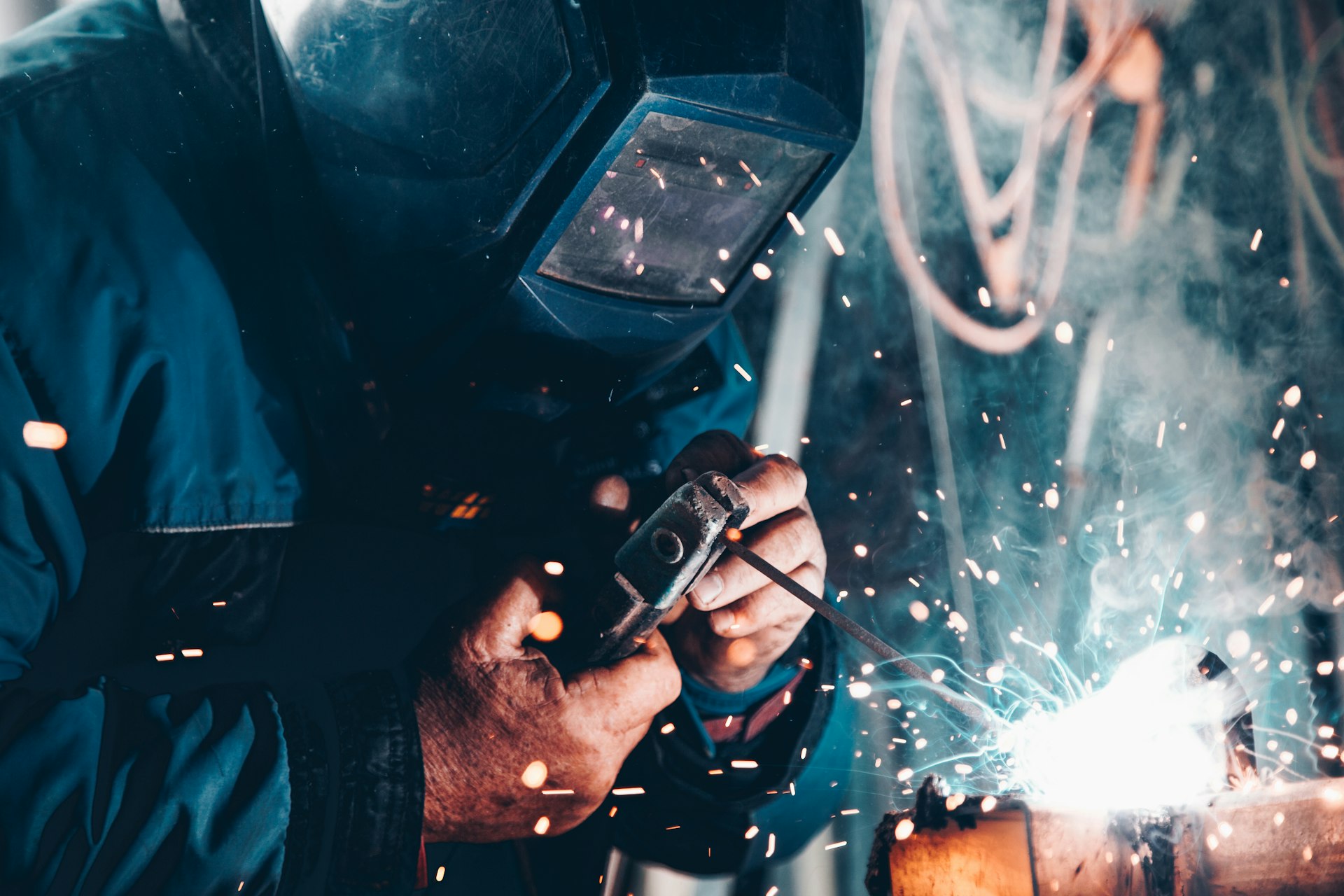
Then the amount of work in the part: the length of cut, the number of holes, the number of folds and the length of weld. A bracket with four folds costs more than the same bracket with two. A fully welded and dressed seam costs more than a stitched one, which is why we ask whether a joint is structural, sealed or visible before we quote it.
Finish is the next line. Weld dressing, linishing and deburring are done in house. Powder coating, galvanising and anodising are arranged with finishers we have used for years and added to the same purchase order, so they show as a line on the quote rather than a surprise later.
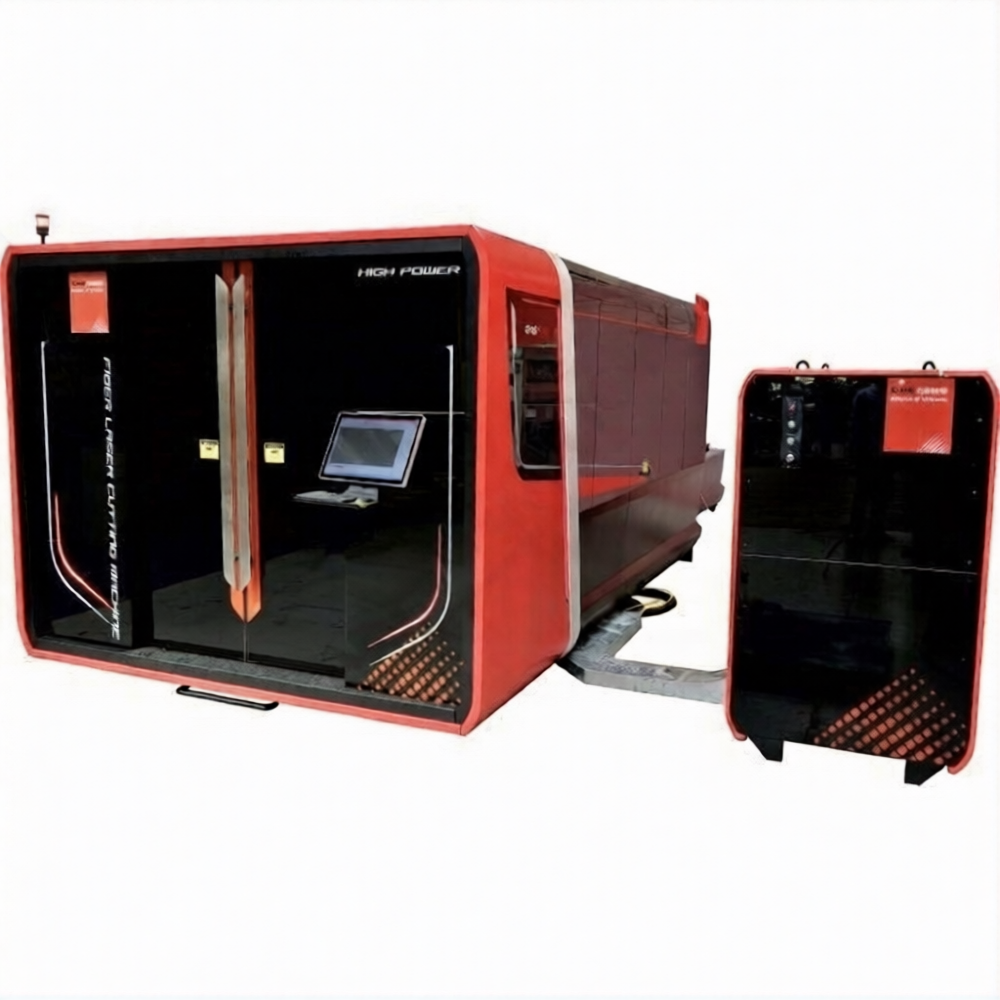
Quantity moves the unit price more than anything else, because setting up the laser, the press brake and the weld fixtures is the same work for one part as for fifty. Single prototypes are everyday work here and there is no minimum order, but the quote will show the setup clearly so you can see what a repeat batch would cost.